Our Three Step Process
August 16, 2026
Local SEO Explained: How to Rank Higher Than Your Competitors in Google Search
Our Three Step Process
August 16, 2026
Local SEO Explained: How to Rank Higher Than Your Competitors in Google Search
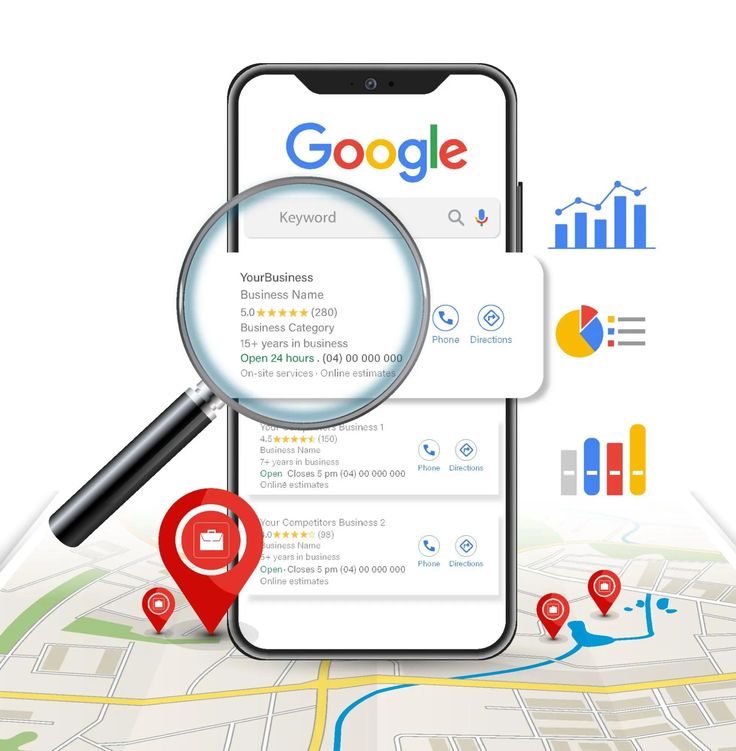
Want more local customers without increasing your advertising budget? Learn how Local SEO helps your business rank higher in Google Search and Google Maps, making it easier for nearby customers to find and choose you over your competitors.
Have you ever searched for something like "best electrician near me" or "dentist in downtown"?
If you have, you've already experienced Local SEO in action.
The businesses you see at the top of Google didn't get there by accident. They're there because Google believes they're the most relevant, trustworthy, and useful results for that search.
Now here's the important question.
When someone in your city searches for the services you offer, does your business appear... or does your competitor get the call?
For many local businesses, that's the difference between a fully booked week and a quiet one.
The good news is that you don't have to be a large company or spend thousands on advertising to compete. With the right Local SEO strategy, even small businesses can rank above larger competitors and consistently attract customers who are actively looking for their services.
1. Start with Your Google Business Profile
Think of your Google Business Profile as the foundation of your Local SEO.
When someone searches for businesses near them, Google looks at your profile to understand what you do, where you're located, and whether your business is active and trustworthy.
A complete profile gives Google more confidence in recommending your business.
How to Improve It:
Verify your Business Profile.
Select the correct business category.
Add all your services.
Upload high-quality photos.
Keep your business information accurate.
2. Use the Keywords Your Customers Actually Search For
One of the biggest mistakes businesses make is writing for themselves instead of their customers.
Your customers aren't searching for "premium plumbing solutions."
They're searching for things like:
"Emergency plumber near me."
"AC repair in Houston."
"Best family dentist."
Your website should naturally include the same words your customers use when they're looking for your services.
When your content matches their searches, Google has a much better understanding of when to show your website.
How to Improve It:
Research local search terms.
Include location-based keywords naturally.
Optimize page titles and headings.
3. Create Pages for the Areas You Serve
If your business serves multiple cities or neighborhoods, don't expect one generic page to rank everywhere.
Instead, create dedicated pages for each service area.
For example, instead of one page that says "Roofing Services," you could have pages like:
Roofing Services in Austin
Roofing Services in Round Rock
Roofing Services in Cedar Park
This helps both Google and your customers understand exactly where you work.
How to Improve It:
Create unique location pages.
Mention local landmarks naturally.
Avoid copying the same content across every page.
4. Earn Reviews That Build Trust
Reviews do more than convince customers.
They also send strong trust signals to Google.
Businesses that consistently receive genuine, positive reviews often have a stronger local presence than businesses with outdated or inactive profiles.
The goal isn't simply to collect reviews—it's to create a habit of asking every happy customer.
How to Improve It:
Ask for reviews after every completed job.
Respond to every review.
Make leaving a review simple and convenient.
5. Keep Your Website Healthy
Google wants to recommend websites that provide a good experience.
If your website loads slowly, isn't mobile-friendly, or is difficult to navigate, visitors leave quickly—and Google notices.
A fast, responsive website doesn't just help rankings; it also helps convert visitors into customers.
How to Improve It:
Improve website speed.
Make your website mobile-friendly.
Fix broken links.
Keep navigation simple.
6. Build Consistency Across the Internet
Google compares information about your business from multiple sources.
If one directory lists a different phone number or address than another, it creates confusion.
Consistent business information helps Google trust that your business is legitimate.
How to Improve It:
Keep your business name consistent.
Use the same phone number everywhere.
Update your address across all listings.
Review your online directories regularly.
7. Local SEO Is a Long-Term Investment
Many business owners expect Local SEO to work overnight.
It doesn't.
Unlike paid advertising, Local SEO builds momentum over time.
Every optimized page, every customer review, every website improvement, and every updated business listing strengthens your online presence.
The businesses that consistently appear at the top of local search results usually aren't the ones who did everything perfectly in one week.
They're the ones who stayed consistent for months.
How to Improve It:
Update your website regularly.
Continue collecting reviews.
Monitor your rankings.
Keep improving your content.
Conclusion
Local SEO isn't about trying to outsmart Google's algorithm—it's about making it easier for Google to understand your business and easier for customers to choose you.
When your Google Business Profile is complete, your website is optimized, your reviews are growing, and your business information is consistent across the web, you're giving yourself the best chance to appear when local customers are searching for exactly what you offer.
The businesses that rank at the top of Google aren't always the biggest. More often than not, they're simply the businesses that have invested time into building a strong local online presence.
Start with the basics, stay consistent, and over time, Local SEO can become one of the most valuable sources of leads for your business.

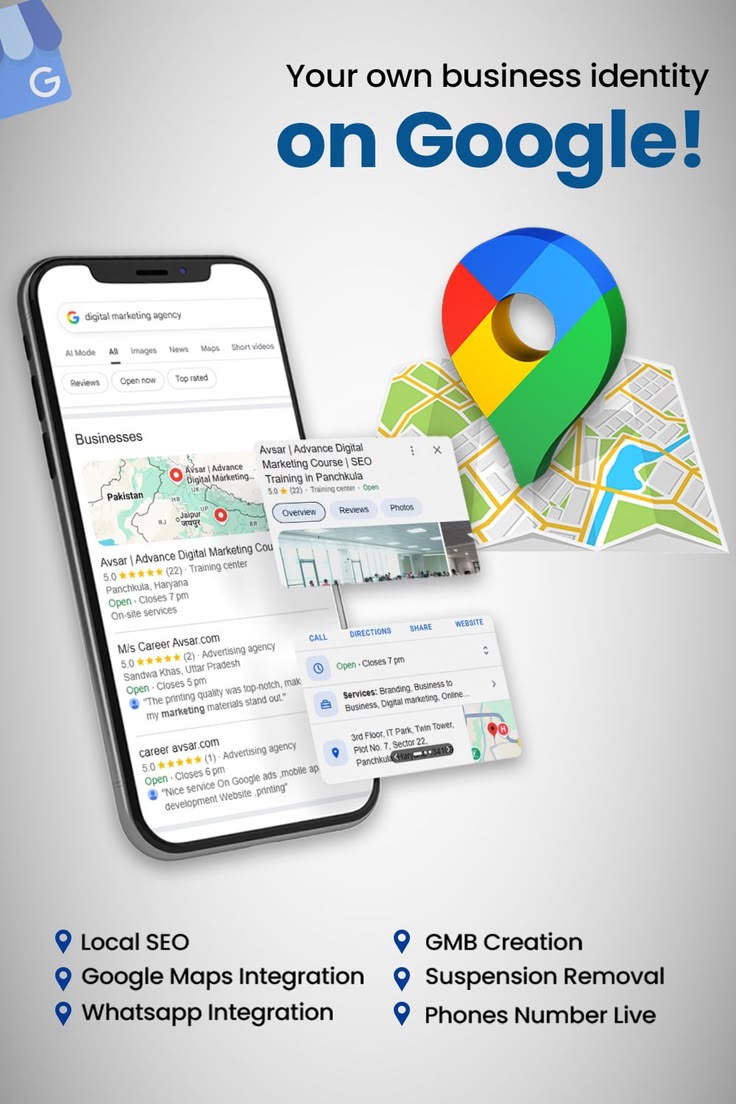


Want more local customers without increasing your advertising budget? Learn how Local SEO helps your business rank higher in Google Search and Google Maps, making it easier for nearby customers to find and choose you over your competitors.
Have you ever searched for something like "best electrician near me" or "dentist in downtown"?
If you have, you've already experienced Local SEO in action.
The businesses you see at the top of Google didn't get there by accident. They're there because Google believes they're the most relevant, trustworthy, and useful results for that search.
Now here's the important question.
When someone in your city searches for the services you offer, does your business appear... or does your competitor get the call?
For many local businesses, that's the difference between a fully booked week and a quiet one.
The good news is that you don't have to be a large company or spend thousands on advertising to compete. With the right Local SEO strategy, even small businesses can rank above larger competitors and consistently attract customers who are actively looking for their services.
1. Start with Your Google Business Profile
Think of your Google Business Profile as the foundation of your Local SEO.
When someone searches for businesses near them, Google looks at your profile to understand what you do, where you're located, and whether your business is active and trustworthy.
A complete profile gives Google more confidence in recommending your business.
How to Improve It:
Verify your Business Profile.
Select the correct business category.
Add all your services.
Upload high-quality photos.
Keep your business information accurate.
2. Use the Keywords Your Customers Actually Search For
One of the biggest mistakes businesses make is writing for themselves instead of their customers.
Your customers aren't searching for "premium plumbing solutions."
They're searching for things like:
"Emergency plumber near me."
"AC repair in Houston."
"Best family dentist."
Your website should naturally include the same words your customers use when they're looking for your services.
When your content matches their searches, Google has a much better understanding of when to show your website.
How to Improve It:
Research local search terms.
Include location-based keywords naturally.
Optimize page titles and headings.
3. Create Pages for the Areas You Serve
If your business serves multiple cities or neighborhoods, don't expect one generic page to rank everywhere.
Instead, create dedicated pages for each service area.
For example, instead of one page that says "Roofing Services," you could have pages like:
Roofing Services in Austin
Roofing Services in Round Rock
Roofing Services in Cedar Park
This helps both Google and your customers understand exactly where you work.
How to Improve It:
Create unique location pages.
Mention local landmarks naturally.
Avoid copying the same content across every page.
4. Earn Reviews That Build Trust
Reviews do more than convince customers.
They also send strong trust signals to Google.
Businesses that consistently receive genuine, positive reviews often have a stronger local presence than businesses with outdated or inactive profiles.
The goal isn't simply to collect reviews—it's to create a habit of asking every happy customer.
How to Improve It:
Ask for reviews after every completed job.
Respond to every review.
Make leaving a review simple and convenient.
5. Keep Your Website Healthy
Google wants to recommend websites that provide a good experience.
If your website loads slowly, isn't mobile-friendly, or is difficult to navigate, visitors leave quickly—and Google notices.
A fast, responsive website doesn't just help rankings; it also helps convert visitors into customers.
How to Improve It:
Improve website speed.
Make your website mobile-friendly.
Fix broken links.
Keep navigation simple.
6. Build Consistency Across the Internet
Google compares information about your business from multiple sources.
If one directory lists a different phone number or address than another, it creates confusion.
Consistent business information helps Google trust that your business is legitimate.
How to Improve It:
Keep your business name consistent.
Use the same phone number everywhere.
Update your address across all listings.
Review your online directories regularly.
7. Local SEO Is a Long-Term Investment
Many business owners expect Local SEO to work overnight.
It doesn't.
Unlike paid advertising, Local SEO builds momentum over time.
Every optimized page, every customer review, every website improvement, and every updated business listing strengthens your online presence.
The businesses that consistently appear at the top of local search results usually aren't the ones who did everything perfectly in one week.
They're the ones who stayed consistent for months.
How to Improve It:
Update your website regularly.
Continue collecting reviews.
Monitor your rankings.
Keep improving your content.
Conclusion
Local SEO isn't about trying to outsmart Google's algorithm—it's about making it easier for Google to understand your business and easier for customers to choose you.
When your Google Business Profile is complete, your website is optimized, your reviews are growing, and your business information is consistent across the web, you're giving yourself the best chance to appear when local customers are searching for exactly what you offer.
The businesses that rank at the top of Google aren't always the biggest. More often than not, they're simply the businesses that have invested time into building a strong local online presence.
Start with the basics, stay consistent, and over time, Local SEO can become one of the most valuable sources of leads for your business.
Other Blogs
Other Blogs
Check our other project Blogs with useful insight and information for your businesses


Other Blogs
Other Blogs
Check our other project Blogs with useful insight and information for your businesses