
Our Three Step Process
August 16, 2026
Why Sending Ad Traffic to Your Homepage Is Costing You Customers
Our Three Step Process
August 16, 2026
Why Sending Ad Traffic to Your Homepage Is Costing You Customers
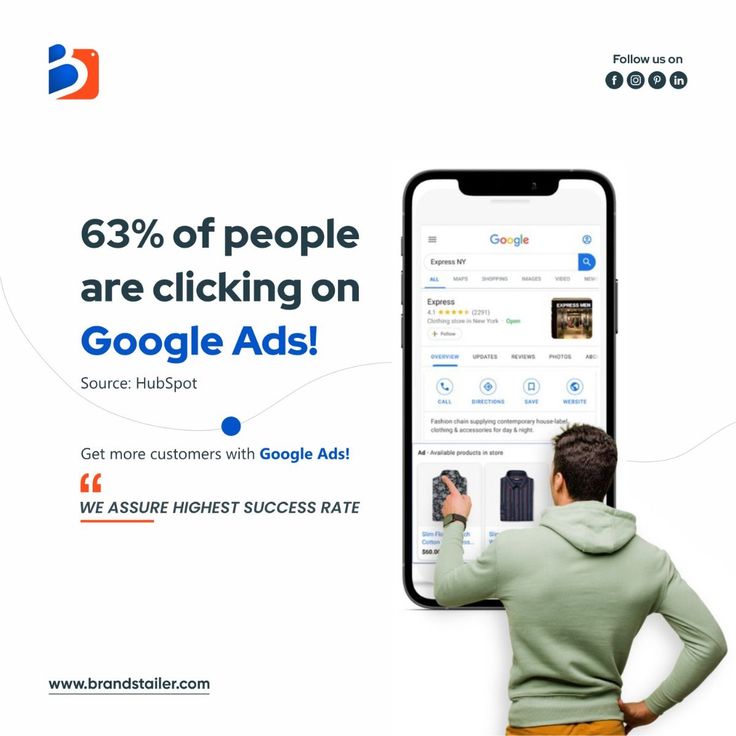
Driving traffic to your website is only half the job. If you're sending visitors from Google or Facebook Ads to your homepage instead of a dedicated landing page, you could be losing valuable leads without even realizing it.
Imagine you're running a Google Ad that says:
"Get a Free Roofing Inspection Today."
Someone clicks on the ad because that's exactly what they're looking for.
But instead of landing on a page about free roof inspections, they arrive on your homepage.
Now they see your company history.
Your list of services.
Your latest blog posts.
A few testimonials.
A navigation menu with ten different options.
Somewhere on the page, there's probably a button that says "Contact Us."
Within a few seconds, the visitor is confused.
They leave.
And you've just paid for that click.
This happens more often than most businesses realize.
The problem isn't your advertisement.
The problem is where you're sending people after they click it.
1. Your Homepage Has Too Many Jobs
A homepage is designed for everyone.
New visitors.
Returning customers.
Job applicants.
Suppliers.
People looking for your phone number.
People wanting to learn about your business.
Because it serves so many different audiences, it can't focus entirely on one goal.
A landing page is different.
It has one purpose.
One offer.
One audience.
One call-to-action.
That focus is exactly what makes it convert better.
2. Message Match Builds Confidence
Let's say your Facebook advertisement promises:
"20% Off Dental Teeth Whitening."
The moment someone clicks, they expect to see a page talking about...
Teeth whitening.
Not general dentistry.
Not your team.
Not your company story.
The closer your landing page matches the promise made in your advertisement, the more confident visitors feel that they're in the right place.
Good marketing feels like one continuous conversation.
Not three different ones stitched together.
3. Less Distraction Means More Action
Think about walking into a supermarket when all you wanted was a bottle of water.
Suddenly you're surrounded by hundreds of products.
It's overwhelming.
Many websites create the same feeling.
Navigation menus.
Dozens of services.
Blog articles.
Social media links.
Footer links.
Visitors aren't sure where to go next.
Landing pages intentionally remove most of these distractions.
Every section exists to move visitors one step closer to taking action.
That's why they consistently outperform traditional homepages for advertising campaigns.
4. Landing Pages Answer Questions Before They're Asked
People don't convert because they understand your business.
They convert because their questions have been answered.
A good landing page naturally addresses concerns like:
"Can I trust this company?"
"How much does it cost?"
"What happens next?"
"Have they done this before?"
Instead of forcing visitors to search your website for answers, the landing page presents everything they need in one clear journey.
That creates confidence.
And confident visitors become customers.
5. Every Advertisement Deserves Its Own Landing Page
One of the biggest mistakes businesses make is sending every advertisement to the same destination.
Imagine running these campaigns:
Emergency Plumbing
Bathroom Renovations
Water Heater Installation
Should all three advertisements go to the same page?
Probably not.
Each customer has a different problem.
Each advertisement makes a different promise.
Each landing page should continue that conversation.
The more relevant the experience feels, the more likely people are to enquire.
6. Better Tracking Leads to Better Decisions
Landing pages don't just improve conversions.
They also make your marketing much easier to measure.
Instead of guessing which campaign generated enquiries, you can clearly see how each landing page performs.
How many visitors arrived?
How many submitted a form?
How many booked a call?
How many became customers?
That information helps you improve future campaigns instead of relying on assumptions.
7. Small Changes Can Produce Big Results
Many business owners think they need more traffic.
Sometimes they simply need a better destination.
If one hundred people visit your website and only two become customers, increasing your conversion rate to four customers doesn't require more advertising.
It requires making better use of the traffic you're already paying for.
That's why improving your landing page often delivers a higher return than increasing your advertising budget.
Conclusion
Running successful advertising campaigns isn't just about getting people to click.
It's about giving them a clear path once they arrive.
A homepage introduces your business.
A landing page sells a specific solution.
When your advertisement and landing page work together, visitors feel confident they're in the right place, they're less distracted, and they're much more likely to take action.
If you're investing in Google Ads or Facebook Ads, don't let your homepage become the weakest link in your marketing. A well-designed landing page can often be the difference between paying for clicks and generating real customers.



Driving traffic to your website is only half the job. If you're sending visitors from Google or Facebook Ads to your homepage instead of a dedicated landing page, you could be losing valuable leads without even realizing it.
Imagine you're running a Google Ad that says:
"Get a Free Roofing Inspection Today."
Someone clicks on the ad because that's exactly what they're looking for.
But instead of landing on a page about free roof inspections, they arrive on your homepage.
Now they see your company history.
Your list of services.
Your latest blog posts.
A few testimonials.
A navigation menu with ten different options.
Somewhere on the page, there's probably a button that says "Contact Us."
Within a few seconds, the visitor is confused.
They leave.
And you've just paid for that click.
This happens more often than most businesses realize.
The problem isn't your advertisement.
The problem is where you're sending people after they click it.
1. Your Homepage Has Too Many Jobs
A homepage is designed for everyone.
New visitors.
Returning customers.
Job applicants.
Suppliers.
People looking for your phone number.
People wanting to learn about your business.
Because it serves so many different audiences, it can't focus entirely on one goal.
A landing page is different.
It has one purpose.
One offer.
One audience.
One call-to-action.
That focus is exactly what makes it convert better.
2. Message Match Builds Confidence
Let's say your Facebook advertisement promises:
"20% Off Dental Teeth Whitening."
The moment someone clicks, they expect to see a page talking about...
Teeth whitening.
Not general dentistry.
Not your team.
Not your company story.
The closer your landing page matches the promise made in your advertisement, the more confident visitors feel that they're in the right place.
Good marketing feels like one continuous conversation.
Not three different ones stitched together.
3. Less Distraction Means More Action
Think about walking into a supermarket when all you wanted was a bottle of water.
Suddenly you're surrounded by hundreds of products.
It's overwhelming.
Many websites create the same feeling.
Navigation menus.
Dozens of services.
Blog articles.
Social media links.
Footer links.
Visitors aren't sure where to go next.
Landing pages intentionally remove most of these distractions.
Every section exists to move visitors one step closer to taking action.
That's why they consistently outperform traditional homepages for advertising campaigns.
4. Landing Pages Answer Questions Before They're Asked
People don't convert because they understand your business.
They convert because their questions have been answered.
A good landing page naturally addresses concerns like:
"Can I trust this company?"
"How much does it cost?"
"What happens next?"
"Have they done this before?"
Instead of forcing visitors to search your website for answers, the landing page presents everything they need in one clear journey.
That creates confidence.
And confident visitors become customers.
5. Every Advertisement Deserves Its Own Landing Page
One of the biggest mistakes businesses make is sending every advertisement to the same destination.
Imagine running these campaigns:
Emergency Plumbing
Bathroom Renovations
Water Heater Installation
Should all three advertisements go to the same page?
Probably not.
Each customer has a different problem.
Each advertisement makes a different promise.
Each landing page should continue that conversation.
The more relevant the experience feels, the more likely people are to enquire.
6. Better Tracking Leads to Better Decisions
Landing pages don't just improve conversions.
They also make your marketing much easier to measure.
Instead of guessing which campaign generated enquiries, you can clearly see how each landing page performs.
How many visitors arrived?
How many submitted a form?
How many booked a call?
How many became customers?
That information helps you improve future campaigns instead of relying on assumptions.
7. Small Changes Can Produce Big Results
Many business owners think they need more traffic.
Sometimes they simply need a better destination.
If one hundred people visit your website and only two become customers, increasing your conversion rate to four customers doesn't require more advertising.
It requires making better use of the traffic you're already paying for.
That's why improving your landing page often delivers a higher return than increasing your advertising budget.
Conclusion
Running successful advertising campaigns isn't just about getting people to click.
It's about giving them a clear path once they arrive.
A homepage introduces your business.
A landing page sells a specific solution.
When your advertisement and landing page work together, visitors feel confident they're in the right place, they're less distracted, and they're much more likely to take action.
If you're investing in Google Ads or Facebook Ads, don't let your homepage become the weakest link in your marketing. A well-designed landing page can often be the difference between paying for clicks and generating real customers.
Other Blogs
Other Blogs
Check our other project Blogs with useful insight and information for your businesses


Other Blogs
Other Blogs
Check our other project Blogs with useful insight and information for your businesses